
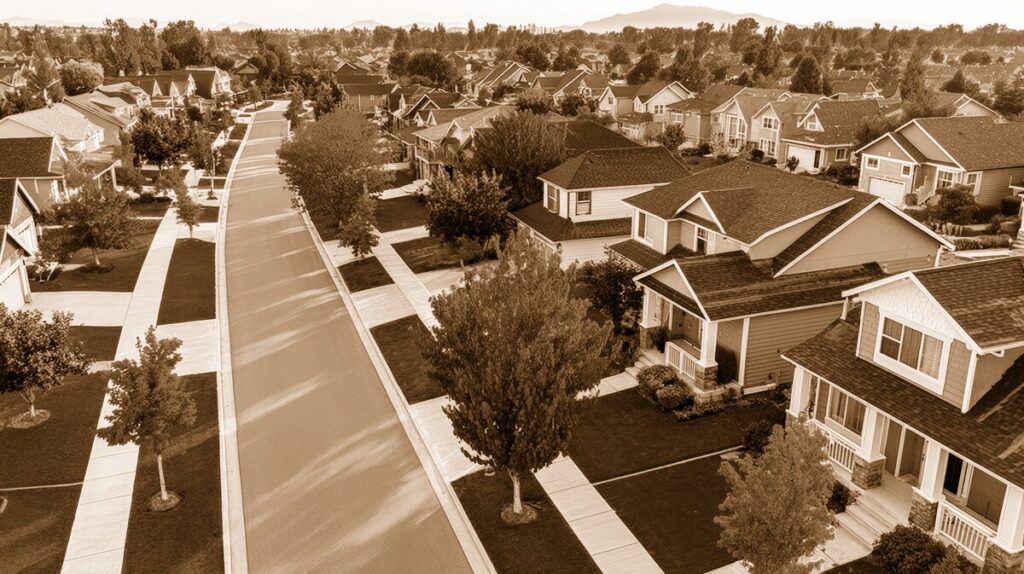
Nestled just northeast of downtown Muskegon, the Jackson Hill neighborhood stands as a living testament to the city’s remarkable history and resilient spirit. With tree-lined streets, storied institutions, and a rich cultural heritage, Jackson Hill exudes the kind of community warmth and pride you can only find in a place shaped by generations of neighbors. Whether you grew up in Muskegon or are a newcomer eager to understand its roots, no journey through the city’s past is complete without a walk through Jackson Hill.
The Origins of Jackson Hill
Jackson Hill’s story begins in the late 19th century, as Muskegon’s booming lumber industry drew people from all backgrounds to seek opportunity on the lakeshore. The neighborhood’s name is believed to honor a prominent early African American leader in Muskegon, George Jackson, whose home once stood on what is now Jackson Avenue. Over the decades, “Jackson Hill” came to refer not just to the street, but to the vibrant residential hillsides surrounding it.
As Muskegon's population grew, these northern neighborhoods—bounded roughly by Laketon Avenue to the south, Wood Street to the west, Marquette Avenue to the north, and Getty Street to the east—became a hub for multicultural working families. African American, Dutch, Polish, and other immigrant communities found affordable homes here, laying a foundation for the neighborhood’s legacy of diversity.
Key Historical Milestones
Jackson Hill has always been much more than just a collection of houses—it’s a crucible for change and community. During the early 20th century, Jackson Hill became one of Muskegon’s few African American-majority neighborhoods, providing a safer and more welcoming place for Black families at a time of pervasive segregation elsewhere.
Some major milestones include:
- *Early 1900s*: Many of Muskegon’s African American residents work in foundries, sawmills, and on the railroads. Jackson Hill grows rapidly, with churches and schools springing up as community anchors.
- *1930s-1940s*: The Great Depression and WWII shape Jackson Hill, as residents support each other and local businesses provide jobs and stability.
- *1960s*: As the Civil Rights Movement gains momentum, local leaders emerge from Jackson Hill to fight for fair housing and equal opportunity in Muskegon.
- *1980s-1990s*: Facing disinvestment and economic challenges, local groups and churches step up to support youth programs, affordable housing, and neighborhood revitalization.
- *2000s-present*: Renewed community pride leads to restoration projects and new initiatives to honor Jackson Hill’s history while preparing for the future.
Landmarks That Tell a Story
Walk the streets of Jackson Hill, and you’re bound to encounter buildings and parks with remarkable stories to tell.
- *Muskegon Heights High School*: Though just outside Jackson Hill’s boundaries, it has long drawn students from the neighborhood, reinforcing ties across the community.
- *McLaughlin Elementary (on Wood Street)*: Serving generations of families, it's more than a school—it's been a community hub for meetings and celebrations.
- *Steel Baptist Church (former)*: One of the oldest African American congregations in Muskegon, the church was a pillar of support for residents throughout the 20th century.
- *Marquette Park*: This green heart of the neighborhood is a gathering place for picnics, Little League games, and summer festivals. Its playgrounds have echoed with laughter for generations.
- *Jackson Avenue*: Once lined with small shops and corner stores, Jackson Avenue was the original “main street” for the neighborhood, and is still home to neighbors who remember when everyone shopped local.
Evolution Through the Decades
One of Jackson Hill’s enduring strengths is its ability to adapt while preserving its core sense of family and community pride. Over the years, demographic changes have brought new cultures and faces to the neighborhood, yet it remains true to its roots as a welcoming place for anyone seeking a better life.
- *Housing*: Many of the charming older homes—some dating back to the early 1900s—are being lovingly restored by new generations of owners who appreciate their historical character.
- *Community Initiatives*: Organizations like Jackson Hill Youth Council and neighborhood watch groups continue to foster safety and opportunity for children and families.
- *Beautification Projects*: Collaborative efforts from residents have led to tree-planting programs, park clean-ups, and murals celebrating the cultural mosaic of the block.
A Place of Resilient Spirit
Talk to any longtime Jackson Hill resident, and you’ll hear stories of block parties, front porch conversations, and neighbors helping each other through tough times. It’s this sense of connection—across race, age, and background—that makes Jackson Hill so special.
The neighborhood isn’t just about the past. Young families are moving in, attracted by the affordable homes, while stalwarts work tirelessly to preserve a proud heritage. Organizations like the Muskegon Heritage Association and local historical societies have begun spotlighting Jackson Hill’s essential place in the broader Muskegon story.
Perhaps that’s the truest measure of Jackson Hill’s legacy: A tradition of resilience and kindness that continues to inspire, decade after decade.
If you ever want to feel the authentic pulse of Muskegon—equal parts history, hope, and heart—Jackson Hill is the place to start.